All resources
Hospitality and public relations
 Hospitality
- October 2025
Why integrate hospitality programmes into your public relations strategy?
Events, whether sporting, cultural or corporate, are powerful public relations tools. They bring a targeted audience together to share an experience that creates bonds and emotions. But while traditional hospitality has always been part of engagement strategies, hospitality programmes, designed for VIP guests, play a far more strategic role. Here is why these programmes have become essential for an effective public relations strategy, and how they strengthen ties with key employees, clients, partners and influencers.
What is a hospitality programme?
A hospitality programme for an event is an exclusive arrangement designed to welcome guests in a privileged way, offering personalised services and privileged access. A hospitality programme is not just an invitation but a unique immersion, designed to give every guest a memorable experience. These programmes include a tailor-made welcome, VIP boxes, behind-the-scenes visits, meetings with personalities or artists, and many other benefits. Targeted guests, whether key clients, influencers or partners, thus enjoy an experience that goes well beyond the event itself. The hospitality programme helps create a strong relationship between a company and its key audiences.
Why base a public relations strategy on hospitality?
Hospitality programmes are designed to cultivate close relationships with targeted audiences. By welcoming clients in a privileged way, a company demonstrates its commitment to them. For example, in a sporting or cultural context, offering exclusive backstage access or privileged moments with celebrities can solidify guests’ loyalty and affection for the brand. Guests become more inclined to engage, and this bond strengthens their attachment to the company.
In addition, offering a high-end experience helps improve brand image. Attentive hospitality and an exclusive setting convey values of quality, professionalism and luxury to guests, which is particularly effective in positioning the brand as a must in its field. These experiences are striking for guests, who then associate these values with the company. They suit any type of industry: luxury, services, retail, aerospace, tourism…
Today, event guests regularly share their experiences on social media. By offering a unique hospitality experience, a company naturally generates positive word of mouth. VIP guests share their moments spontaneously, giving the brand authentic and flattering visibility, without it even having to solicit this publicity directly. This effect is even stronger when guests are influencers or media personalities, extending the reach of the event among their communities.
Finally, by including partners or key employees in these programmes, companies can build new synergies. Hospitality programmes are also fertile ground for informal discussions and impromptu exchanges about business or anything else. This relaxed setting encourages new ideas and collaborations to emerge, which can prove fruitful in the long term.
How do you design a hospitality programme?
A hospitality programme must be built around high-quality services, adapted to each guest’s expectations and interests. The key elements include:
- Choosing the type of events: it is not enough simply to offer a VIP experience; the event must also resonate with the brand’s values and the interests of the targeted guests. For example, a company focused on technological innovation might favour sporting events that showcase technical advances, or trade shows dedicated to new technologies. The event must be a natural extension of the company’s identity, so that the experience guests have translates into lasting attachment to the brand.
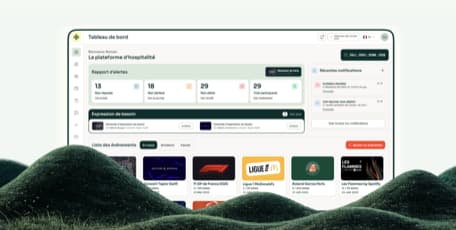
- A premium, seamless guest experience: a hospitality programme starts at the invitation stage. The messages sent (save the date, invitation, ticket, reminder…) must showcase the event and the experience offered as much as the guest. A VIP guest management solution such as Evenizer offers a very high level of personalisation.
- A personalised welcome: from the moment they arrive, VIP guests must be looked after, whether for their transport, their accommodation or their settling in at the event. Services such as a limousine transfer or a private reception contribute to a memorable first impression.
- VIP boxes and private areas: offering an exclusive space equipped with every comfort is essential so that guests can enjoy the event in a relaxed and friendly atmosphere.
- Privileged encounters: allowing meetings with personalities or people involved in the event, such as artists, athletes or speakers, gives the hospitality experience a unique and unforgettable character.
- A high-end food and drink offering: gastronomy is an integral part of a successful hospitality experience. A meal by a renowned chef, or a menu built around local flavours, adds an exclusive and memorable touch to the event.
- Personalised keepsakes: offering commemorative items or collectibles is a final gesture that lets guests keep a tangible memory of their experience.
Hospitality programme: which pitfalls should you avoid?
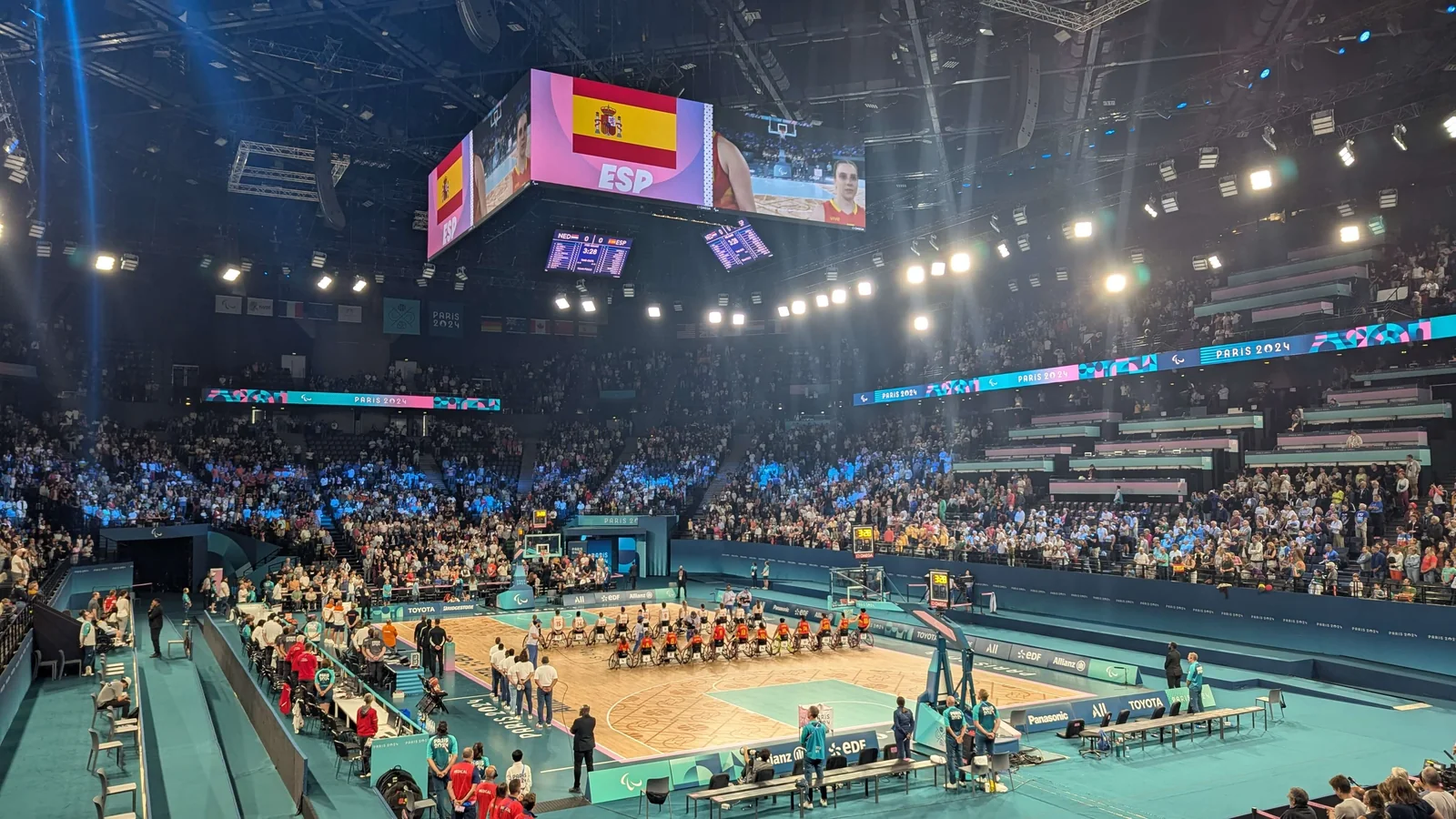
Our experience of managing hospitality programmes at major events such as Paris 2024, the Rugby World Cup and Roland-Garros highlights 5 main challenges:
- Controlling cost: this type of programme is generally expensive, requiring rigorous budget management to make it profitable.
- Logistics management: coordinating many details (transport, accommodation, organising meetings) requires impeccable organisation. Any failure could negatively affect the experience.
- Personalising the experience: it is important to adapt the programme to guests’ specific preferences, which requires precise tracking of everyone’s expectations and preferences.
- Managing expectations: as VIP guests often have high expectations, it is crucial to honour commitments and ensure flawless execution.
- Managing compliance: invitations to hospitality packages are considered gifts. It is important to ensure very good tracking to meet the requirements on anti-corruption (the French Sapin 2 law) and benefits in kind (URSSAF).
How do you integrate a hospitality programme into a public relations strategy?
For the investment in a hospitality programme to pay off, it is essential to integrate it into an overall marketing and customer relationship strategy. Here are a few tips:
- Identify key guests: a hospitality programme works best when it targets the right guests. Identifying the strategic clients, partners or influencers who will benefit most from the experience makes it possible to maximise the return on investment. It is therefore crucial to draw up a guest list directly linked to the objectives of the event and the brand.
- Align hospitality with the brand’s values: the programme must reflect the brand’s values and identity. A brand focused on sustainability, for example, can choose eco-friendly elements for its programme, such as the use of recycled materials, organic meals or zero-waste practices. This creates consistency between the brand image and the experience offered.
- Measure the impact: after each event, it is important to measure the results. This can include satisfaction surveys, analysis of media and social coverage, and even loyalty or sales growth indicators. These measures help assess the success of the programme and improve it for future occasions.
- Create an immersive experience before and after the event: the hospitality programme can be enriched before and after the event. For example, an invitation gift before the event and exclusive content (photos, videos) afterwards extend the experience and strengthen the bond with guests.
- Optimise the use of social media: a hospitality programme can also be an excellent source of content for social media. Encouraging guests to share their experience via branded hashtags or event-specific filters can increase visibility. In addition, brands can document the event by publishing images and videos of the highlights to captivate a wider audience.
Hospitality programmes at events (sporting, cultural, corporate) have become essential levers for companies looking to engage their clients and partners in an authentic and lasting way. They offer unforgettable experiences that go well beyond the usual services, helping to solidify relationships and strengthen the brand’s reputation.
In a world where the customer experience has become a key differentiator, hospitality programmes allow brands to give their guests exceptional moments, thereby consolidating their loyalty. However, setting up these programmes requires a subtle balance between personalisation, logistics and consistency with the brand image.
As consumer expectations evolve towards more personalisation and ethical values, hospitality at events will have to adapt accordingly, integrating new technologies and responsible practices. For brands that commit to this path, these initiatives are a valuable strategic investment to stand out and sustain quality relationships with their guests.
In short, a well-designed and well-executed hospitality programme creates a bridge between the emotion experienced at the event and loyalty to the brand, leaving a positive and lasting imprint on participants’ minds.
One platform for all your hospitality.
Invitations, ticketing, seating and follow-up: Evenizer centralises the management of your VIP events.